

The Anima Aeterna documentary film will be a cinematic work created to document the creative and spiritual, human and institutional process that led to the birth of the symphonic work. The film is not only the story of a musical creation, but an emotional journey through the symbolic places that transmitted the energy necessary for the creation of its identity.
In addition to its narrative value, the documentary film is a virtuous example of European collaboration. In a region that has transformed its borders into meeting points, the film becomes a shared language that gives voice to Christian roots, understood not only as historical memory but as the lifeblood that continues to nourish dialogue between peoples. With a deeply contemporary tone and an introspective approach, the project will reinterpret Europe’s spiritual heritage as the foundation for a future of unity and peace, bringing the example of Gorizia to the forefront of international cultural debate.
The film delves into the founder’s personal roots, reflecting the nature of Friuli Venezia Giulia as a land of encounter. The narrative follows the traces of a cross-border lineage that unites present-day Croatia and Slovenia with the heart of Friuli, where the Friulian language is spoken. Through meaningful footage, the documentary film touches on the cities that define the history of a typical family from the region and the evolution of the project.
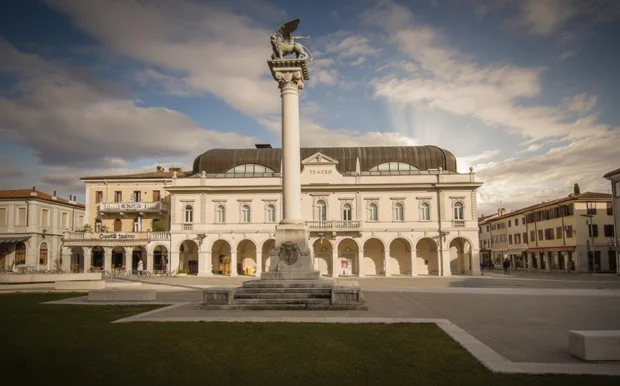
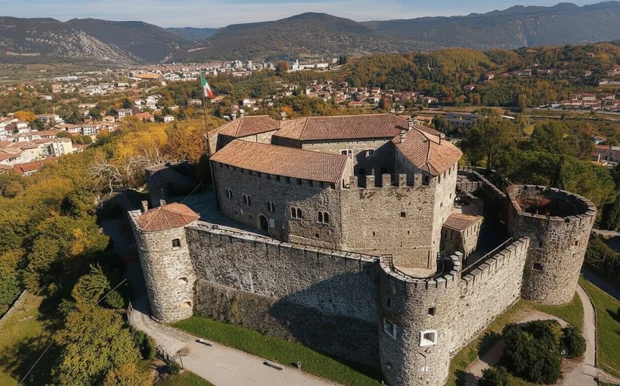
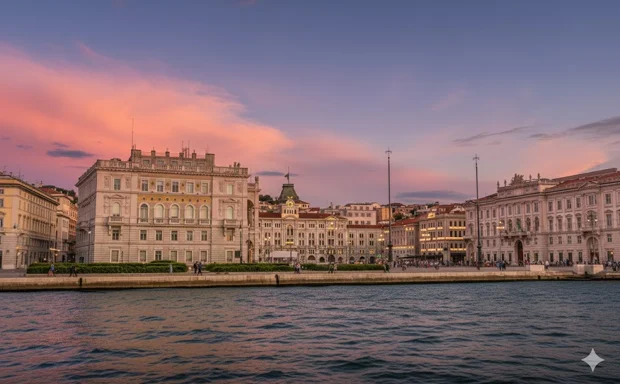
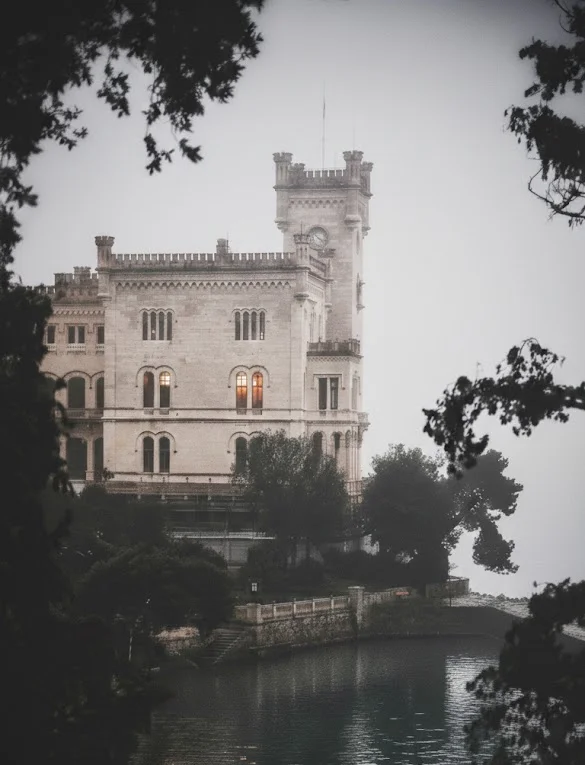
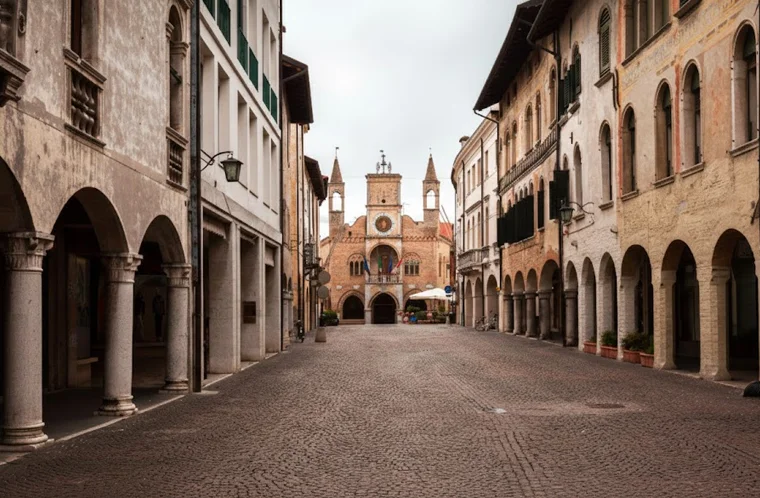
The project also draws inspiration from a deep connection with the Friuli region: the author’s many years of experience in Pordenone become an ideal bridge between past memories and future horizons. This common thread links personal memory to the vision of Pordenone as Italian Capital of Culture 2027, celebrating the continuity of a journey that values local roots and projects them towards the most prestigious achievements of national culture.
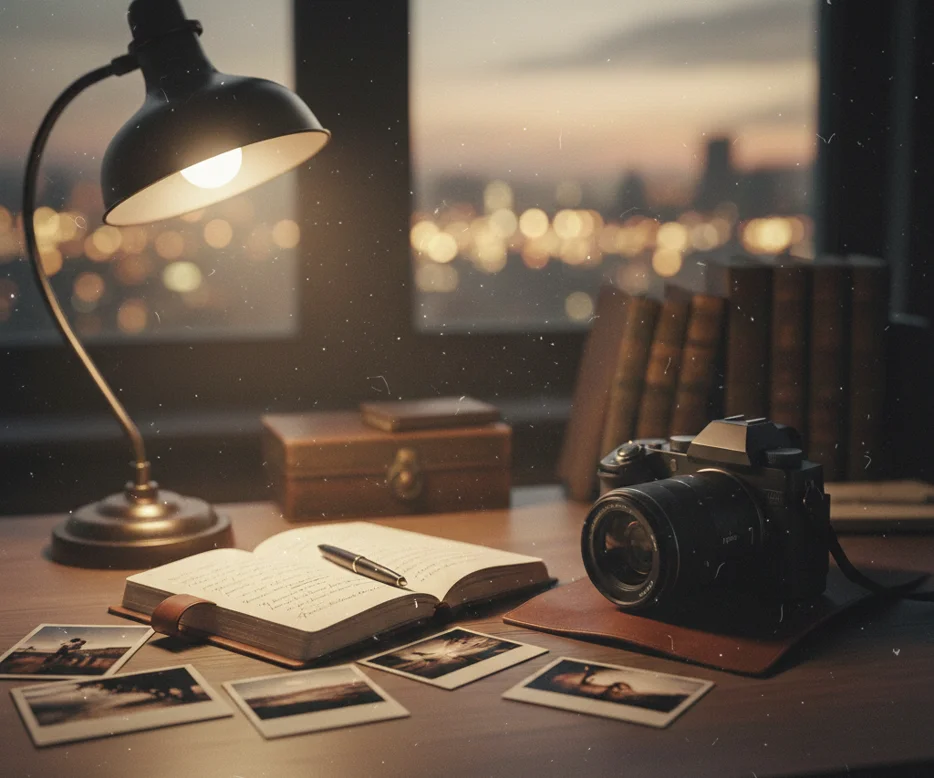
The film reveals the intimate and spiritual process of musical creation, starting from a solitary dimension and ending with public dissemination. The story begins in the silence of an apartment, where the author enters the first notes into the computer one by one with the mouse. At the time, the recording studio had not yet been moved, and this was the only way to “fix” the music.
Regarding musical composition in general, he says: ‘Music plays in your head first, and you don’t need to be in the studio to create a song. It comes on its own! We thank the Lord, we can’t try to explain everything.’
The song then arrived at the recording studio, with its natural development and the 2025 demo, when the private work became a collective work.
One of the most important moments in the documentary film will be the recording of the first major live event. The cameras will capture the excitement of the work’s premiere presentation to the public, immortalising the moment when the music, born from a purely creative and spiritual intuition, is transformed into choral and orchestral language in front of a real audience. This finale will document the community’s reaction and the energy of the live performance, marking the official beginning of its public life.
Conceived as an educational testament, the documentary film teaches young people that identity is a mosaic and that technology, combined with the rediscovery of one’s Christian and cultural roots and the courage to present oneself to the world, can build bonds of civilisation. Because ‘You do not light a lamp and put it under a bushel, but on a candlestick, and it gives light to all who are in the house.’ (Matthew 5:15)